
Ghana’s jersey just won best in the world. The country that made it can barely tell you why.
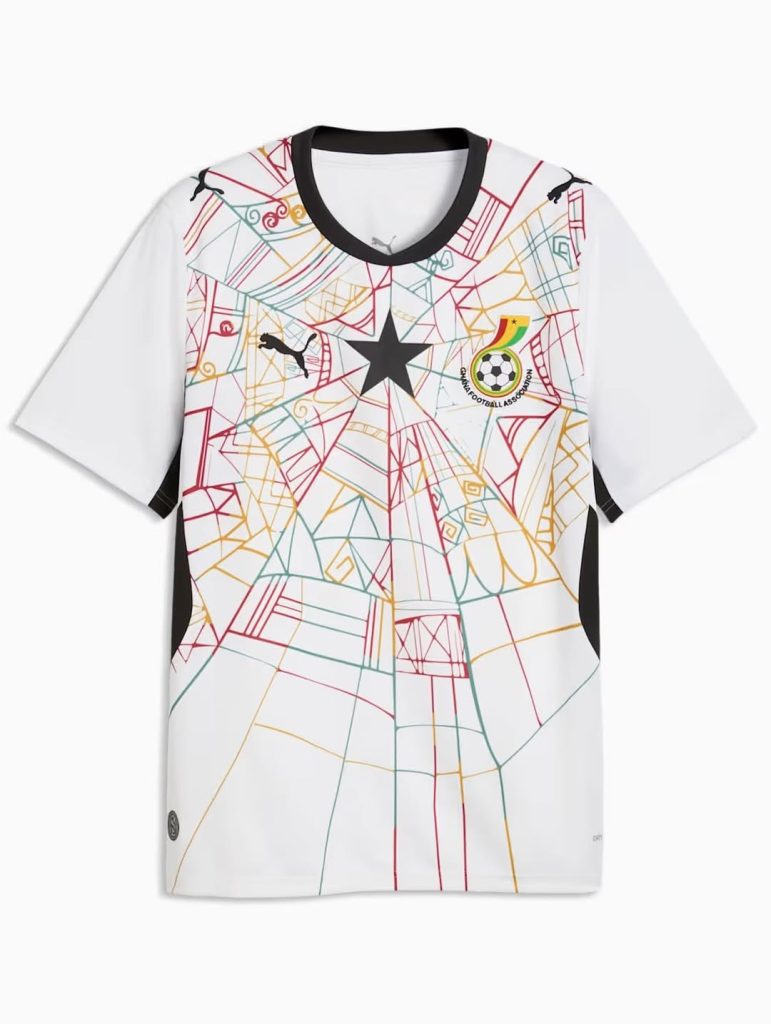
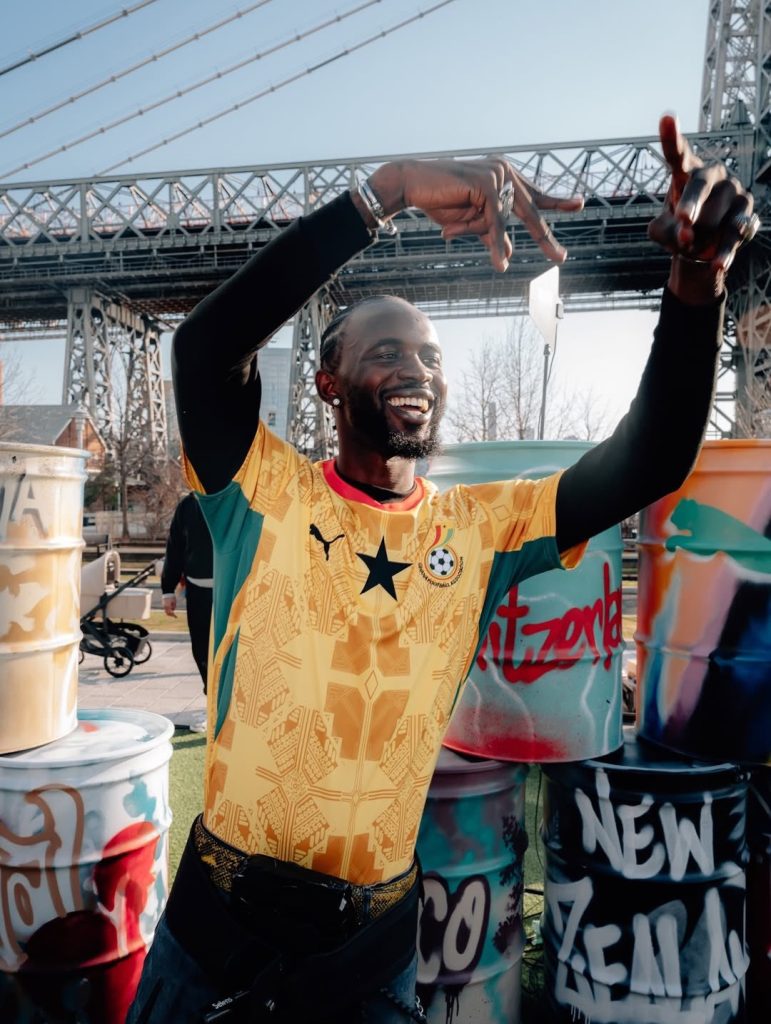
The New York Times named Ghana’s kit the best football shirt heading into the 2026 FIFA World Cup. The Kente-inspired Puma design threads Ananse spider folklore into its geometry. The shirt earned its distinction after the Black Stars wore it just once, in a March friendly against Austria. You might expect this to set up a wave of optimism in the country, but the whole journey has been wrapped in frustration and disappointment.
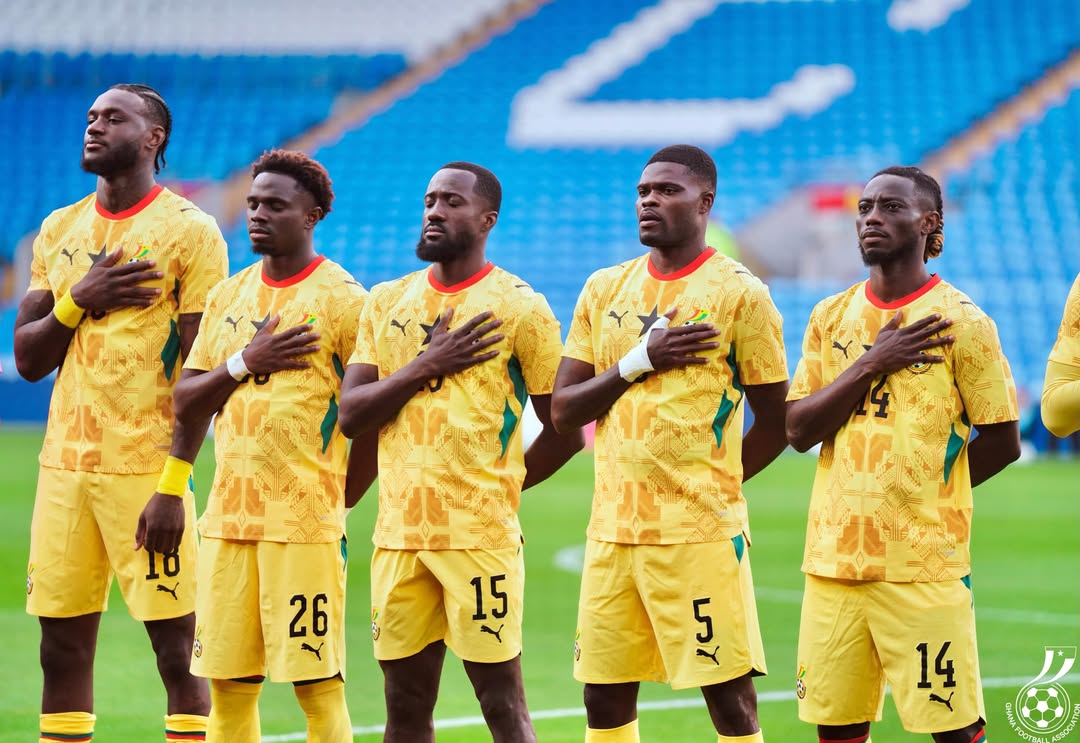
Here lies the first bitter irony of Ghana’s 2026 World Cup campaign. Due to a bureaucratic decision by the Ghana Football Association, Ghana’s home jersey for the tournament is the yellow kit. As things stand, it is the only jersey the Black Stars will wear in all their group stage matches.
The Kente-inspired white shirt, just crowned by the New York Times as the world’s best football kit, may not see a single minute of competitive football. The strip, earning Ghana its loudest cultural moment in years, is now effectively a dress uniform—admired, awarded, and sidelined.
This disconnect between aesthetic brilliance and structural readiness is mirrored on the pitch. Ghana enters the tournament ranked 74th globally, the lowest-ranked African contingent in the competition, and pinned to the bottom four of the 48-nation roster. It is a stark mathematical regression from the nation’s peak at 14th in 2008, an era when a golden generation established a sporting mythology that the current administration still relies on to sustain its brand value. Today, that mythology is carrying an unsustainable operational load.
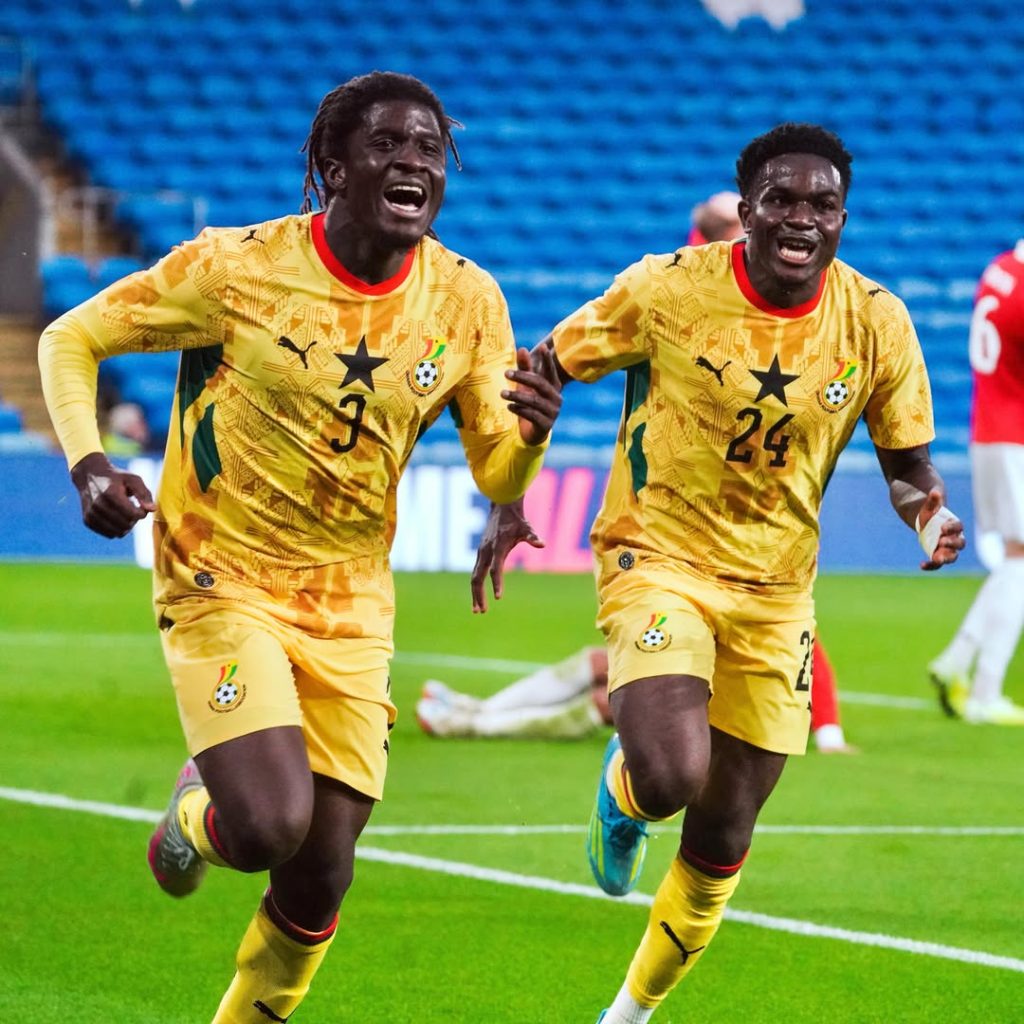
The sporting reality before departure was sobering as the Black Stars secured just a single draw amidst a string of pre-tournament losses. Head coach Carlos Queiroz, appointed late in the cycle, had only a single competitive litmus test before the squad flew out: a draw against Wales.
One match, and one tactical data point. This is the preparation Ghana brings into an unforgiving group featuring England, Croatia, and Panama, an environment where the margin for error is non-existent.
This systemic vulnerability is not anomalous; it is systemic. The domestic Ghana Premier League has endured years of structural decline, which PR initiatives like the “Bring Back the Love” campaign attempted to mask with emotional appeals. From football pitches to boxing rings, the pattern remains unbroken: the sport underperforms, the institutions flounder, and the actual emotional and creative execution is abdicated to the public.
🎨 Crafted from Ghanaian heritage, every detail tells a story. 💛🤍
— 🇬🇭 Black Stars (@GhanaBlackstars) May 18, 2026
From the tales of Ananse to the vibrant spirit of Makola Market. 🇬🇭✨#BlackStars pic.twitter.com/ahNvV6a2B8
The tragedy is that the raw materials for a world-class campaign were already present. Puma’s Ananse concept is structurally sound. The Ananse mythology offers a compelling strategic metaphor: a brilliant underdog who outwits superior forces through intellect, agility, and narrative leverage. It is the exact psychological framework required for a team facing steep odds.
Yet, the official commercial rollout lacked cultural resonance. It possessed no narrative depth, no localized context, and no connection to the community it was meant to represent. The design achieved its global reputation entirely independent of the institutions responsible for its distribution
Accra to everywhere 🌍⚽️#BlackStars pic.twitter.com/v4ictiyDt2
— 🇬🇭 Black Stars (@GhanaBlackstars) May 18, 2026
This disconnect is not caused by a talent deficit. Ghanaian strategists, directors, and designers routinely engineer global campaigns for multinational corporations across the world, in London, New York, and Paris. The talent clearly exists, but the institutional willpower and strategic foresight do not. The agencies tasked with managing the national conversation either lacked the strategic vision required or treated a premier cultural milestone as an administrative chore.
What currently remains is a profound, one-sided emotional investment from the public. It is a fierce loyalty to a heritage that consistently yields international acclaim despite being structurally under-resourced at home. This sentiment keeps a declining domestic league relevant in conversations it has financially outgrown, and it is what transformed a sterile corporate product launch into a vibrant, citizen-led creative movement.
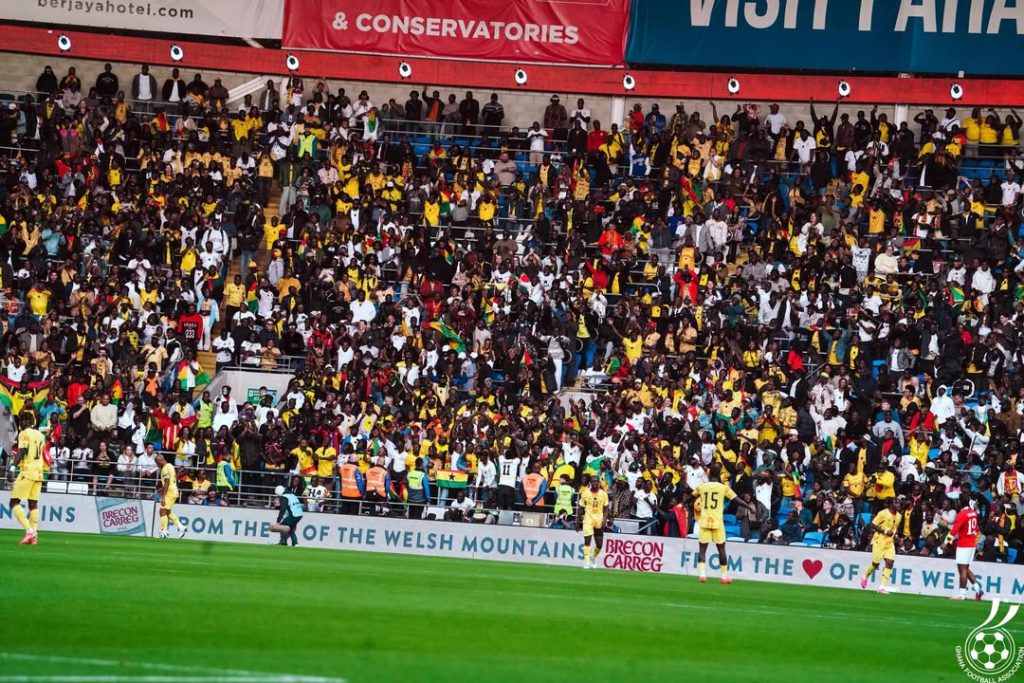
But relying on public passion to compensate for institutional absenteeism is a flawed strategy. Passion cannot indefinitely perform the duties of the five missing state institutions.
When Ghana plays Panama, the world will celebrate the visual elegance of Ghanaian culture. The critical, unanswered question is whether the preparation behind the scenes matches the sophistication of the threads on display. Our creative capital has sustained the national brand for a generation. The urgent dilemma for Ghanaian football is how much longer it can be expected to hold the line alone.
Written by Jude Tackie