
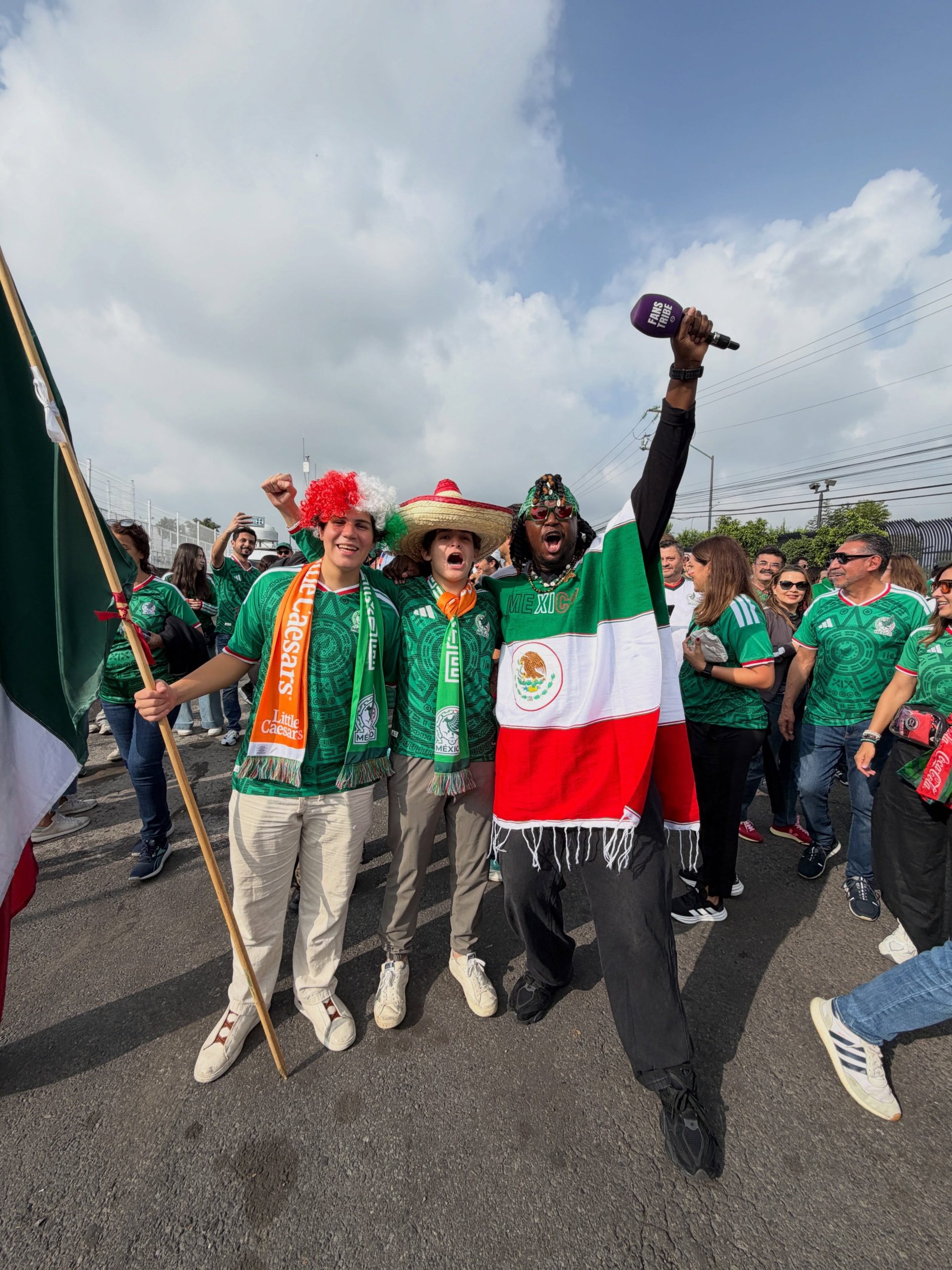
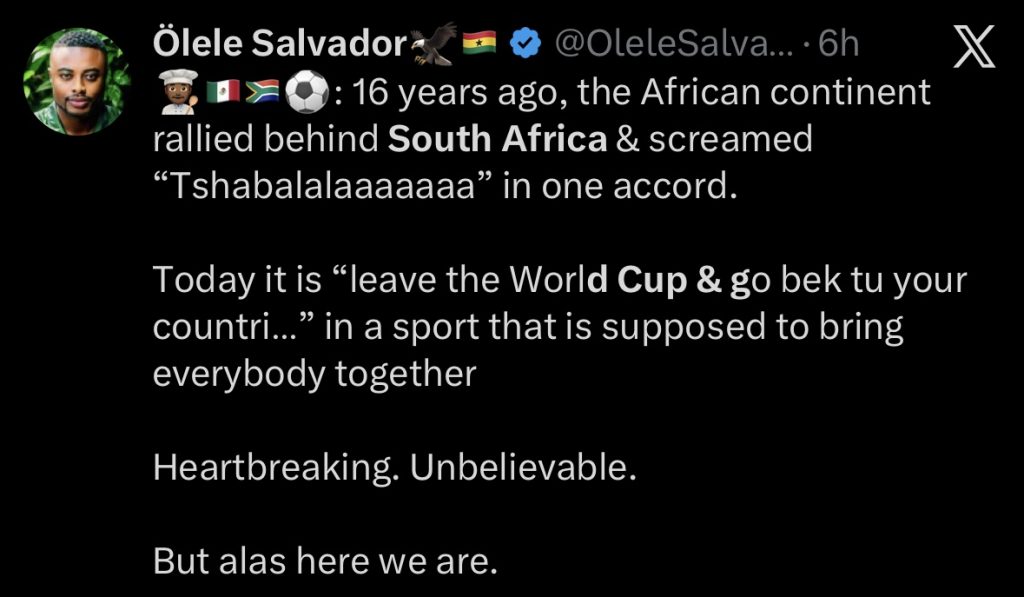
In 2010, when South Africa hosted the FIFA World Cup, the entire continent stood behind them. It was more than football; it was Africa’s moment on the global stage. From Accra to Lagos, Nairobi to Dakar, Africans celebrated South Africa’s success as if it were their own. Their victory was our victory.
That same spirit of unity was evident throughout the tournament. When Ghana became the last African nation standing, the Black Stars carried the hopes of an entire continent. Africans from every corner of the continent rallied behind Ghana, hoping to witness history and see an African team reach the World Cup semi-finals for the first time. Although that dream ended heartbreakingly against Uruguay, the support Ghana received demonstrated the deep sense of continental pride that football inspired across Africa.
Fast forward to 2026, and few would have imagined that many Africans particularly Ghanaians and Nigerians would find themselves rooting against a fellow African nation in favour of a non-African team.
Yet that is exactly what happened.
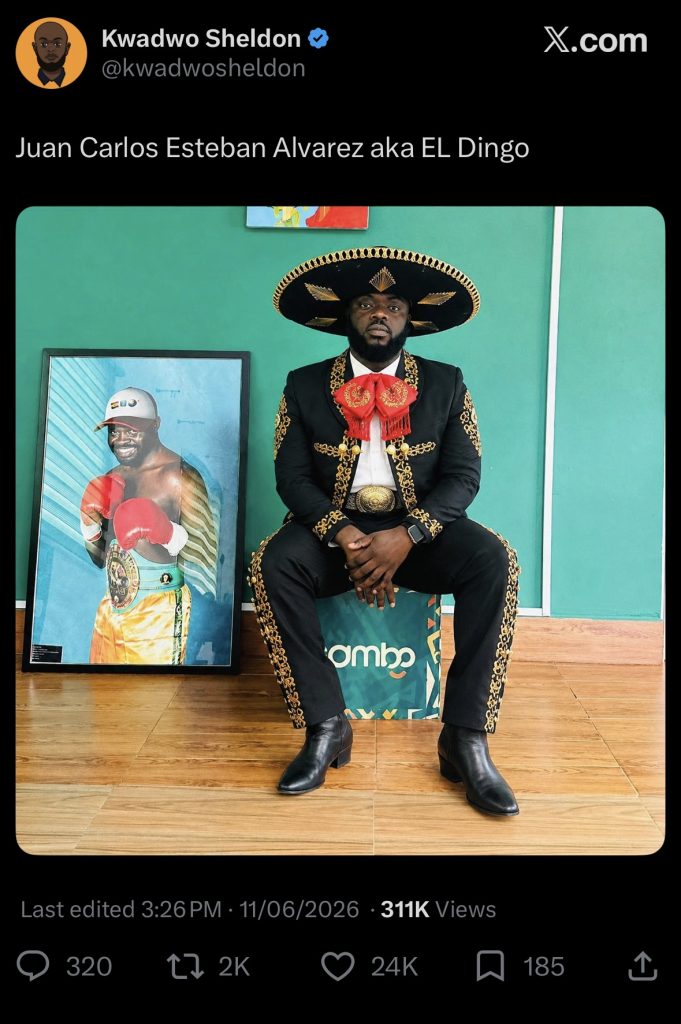
As South Africa took to the pitch, social media was flooded with Africans openly supporting Mexico. Some changed their display names to Mexican-inspired identities. Others filled comment sections with messages hoping for a South African defeat. The phenomenon was surprising, not because football rivalries do not exist, but because African football has traditionally been built on a spirit of continental solidarity.
For decades, when an African team represented the continent on the global stage, support often transcended national borders. Rivalries were put aside, and Africans united behind one of their own. That unwritten rule seemed almost sacred.
So what changed?
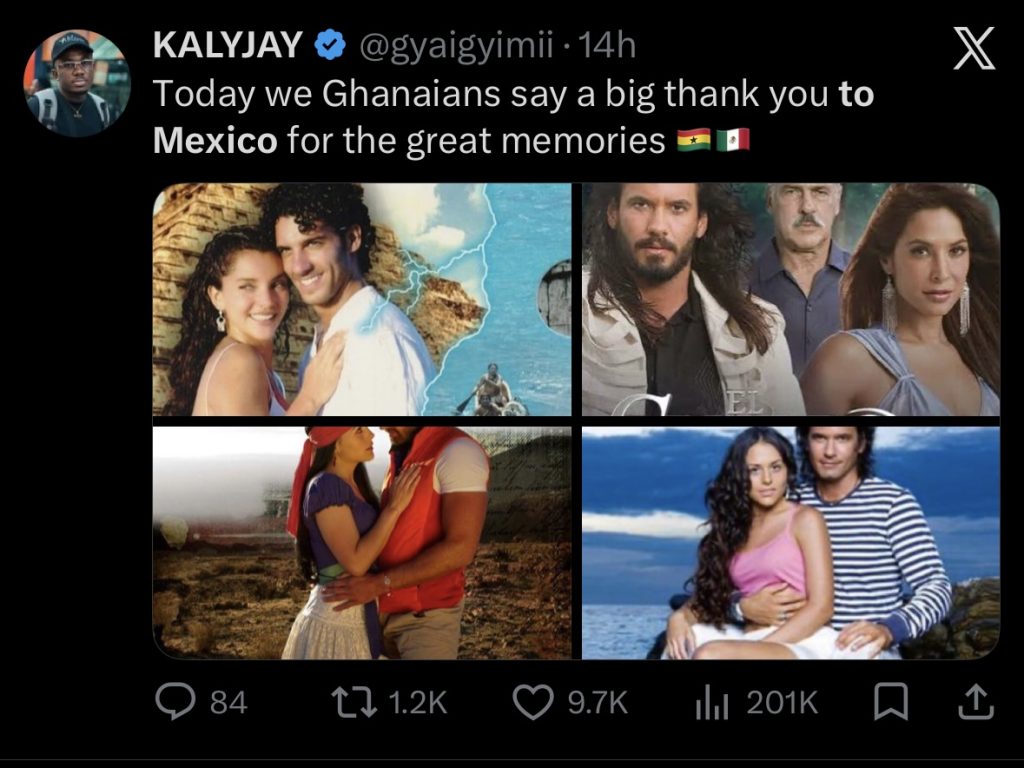
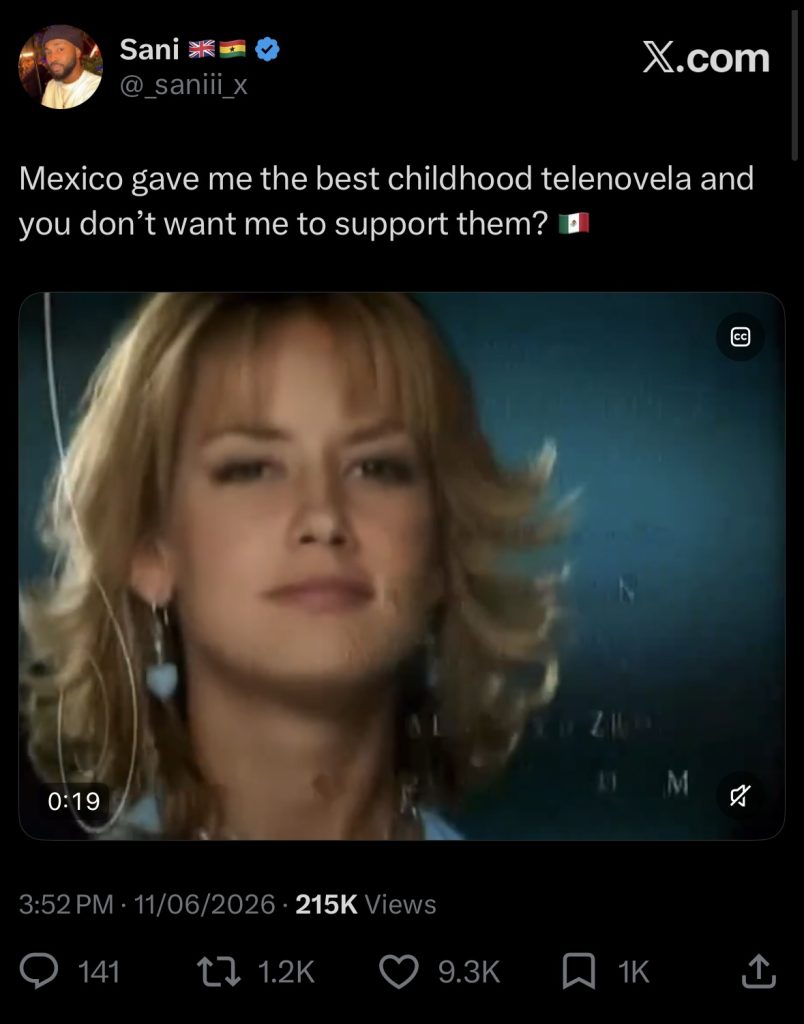
Many social media users jokingly attributed their support for Mexico to the telenovelas they grew up watching. While the jokes generated laughs, they masked a deeper and more uncomfortable reality.
For many Africans, the lingering memory of xenophobic attacks in South Africa remains painful. In recent times, foreign nationals, particularly black African migrants from countries such as Ghana, Nigeria, Zimbabwe and others have faced violence, intimidation and discrimination. These incidents left scars that have not fully healed and continue to shape perceptions of South Africa across the continent.
As a result, some Africans no longer view South Africa’s football journey through the lens of continental unity. Instead, they see it through the lens of unresolved grievances and a feeling that the spirit of Pan-Africanism has not always been reciprocated.
Football often reflects society. The reactions witnessed yesterday is simply not about a football match; it is a reflection of deeper tensions that have been building for years. What should have been a moment of collective African pride became, for many, an opportunity to express frustration and disappointment.
Here are some of the interesting posts captured on social media:
Written by Georgina Amponsah