
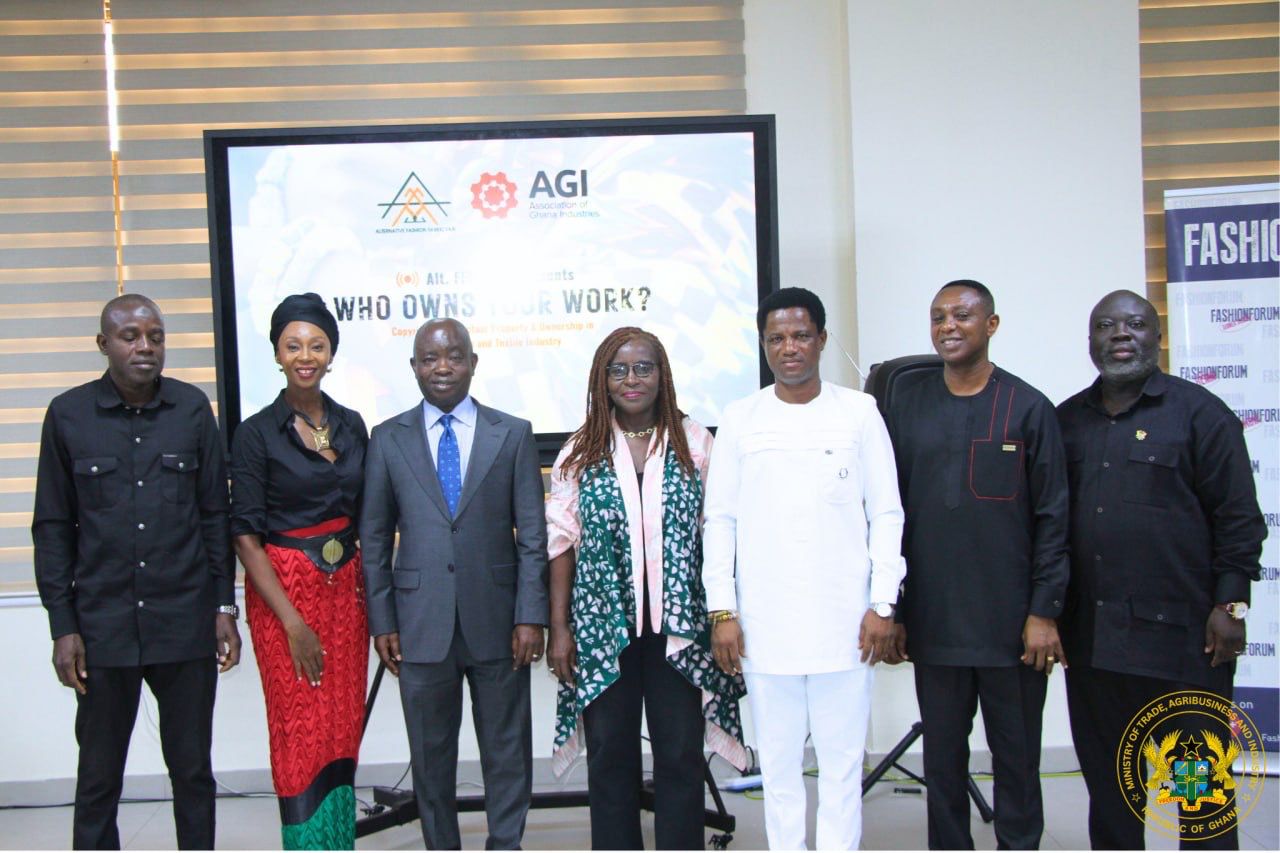
Fashion Forum Africa, in partnership with the Association of Ghana Industries (AGI), successfully hosted the “Who Owns Your Work?” workshop, bringing together stakeholders across Ghana’s fashion, textile, creative, and manufacturing sectors for critical conversations around ownership, intellectual property, and value protection within Africa’s growing creative industries.
The workshop, held at the Ghana Tertiary Education Commission (GTEC) in Accra, formed part of the lead-up activities toward the inaugural Alternative Fashion Fabric Fair (Alt.FFF) 2026, scheduled for September in Accra.
The event was attended by Hon. Sampson Ahi, Deputy Minister for Trade, Agribusiness and Industries, alongside key stakeholders from government, industry, academia, development institutions, and representatives from the garment, textile, and leather sectors.
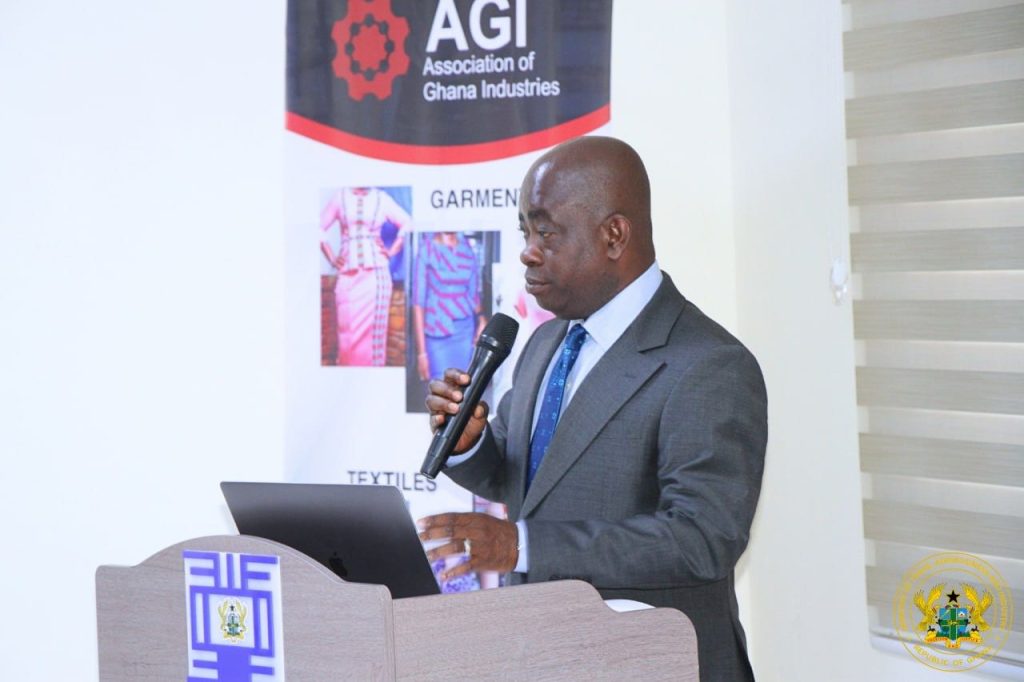
Speaking at the workshop, he emphasised the importance of strengthening legal and institutional awareness around intellectual property within Ghana’s creative and manufacturing sectors. He noted that as Africa’s fashion and textile industry continues to gain international attention, protecting originality, innovation, and local value creation must remain a priority.
Hon. Ahi also commended initiatives such as the Alternative Fashion Fabric Fair (Alt.FFF) for creating platforms that connect fashion, manufacturing, trade, and policy conversations. He described the initiative as a timely opportunity to deepen intra-African industry engagement while positioning Ghana as an important contributor within Africa’s growing textile and creative economy.
The workshop featured presentations and discussions led by Intellectual Property Consultant Dr. Benjamin Oduro Arhin Jnr (BNOSKKA), as well as conversations around the importance of building stronger systems to protect African creativity, heritage, manufacturing, and innovation.
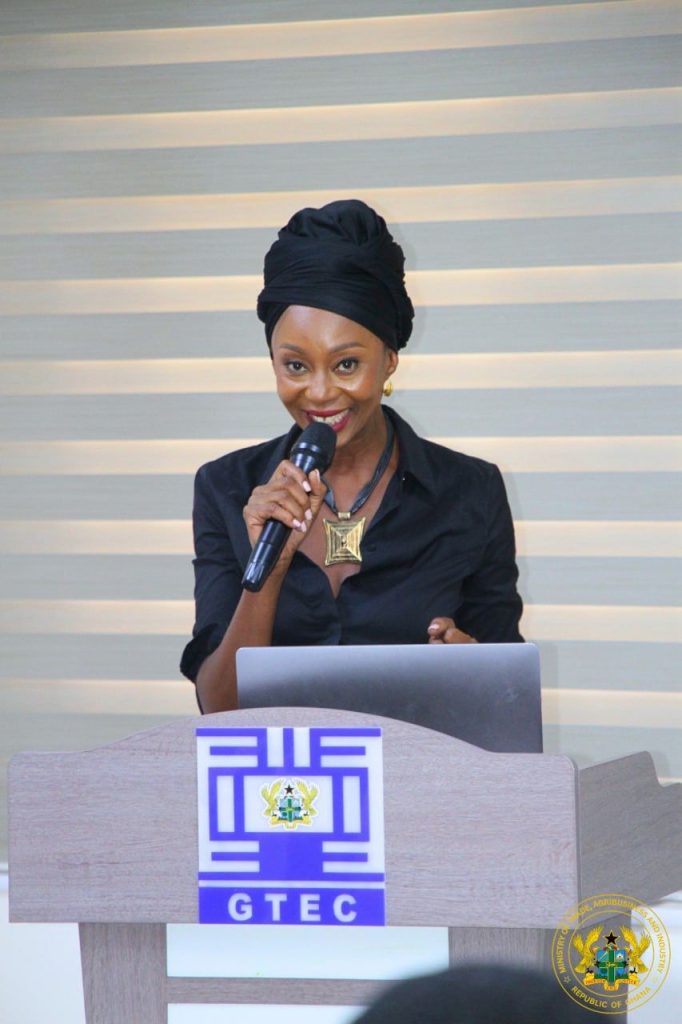
Speaking during the session, Makeba Boateng, Founder of Fashion Forum Africa and Lead Curator of Alt.FFF, highlighted the need to shift conversations beyond fashion aesthetics toward the source, ownership and value creation.
“Africa is receiving increasing global attention for its fashion industry, but we must also focus on the systems behind the industry. The materials, manufacturing, ownership, and trade. Alt.FFF is created to help connect those parts of the ecosystem while ensuring African creatives and producers better understand how to protect and benefit from the value they create,” she said.
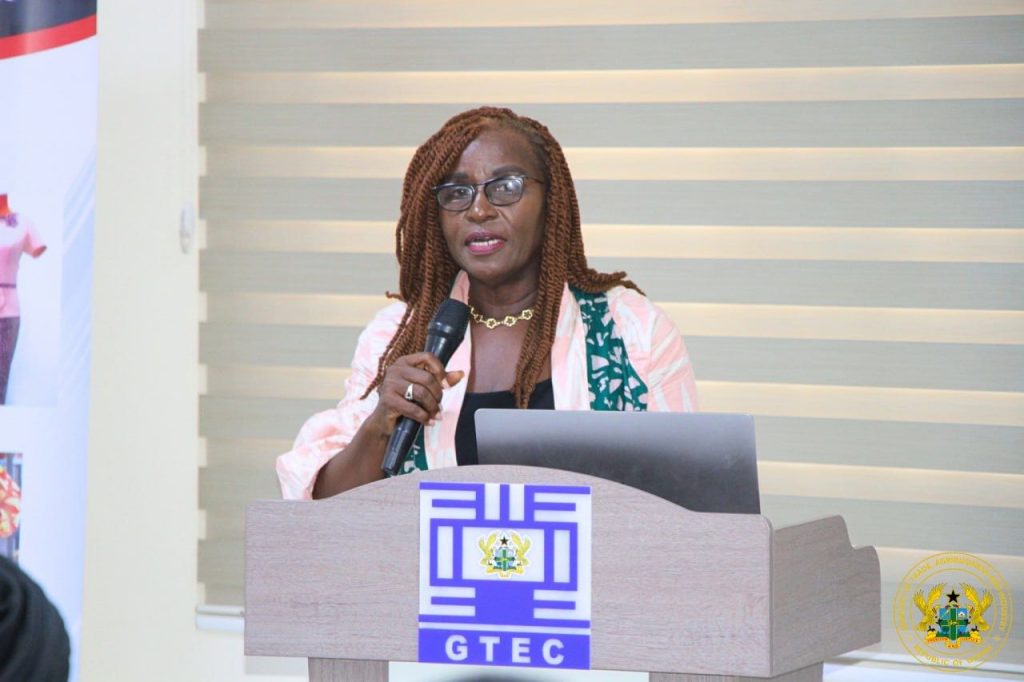
Edwina Assan, Sector Chair for Garment, Textile and Leather at AGI also underscored the importance of industry collaboration and education within the sector. Adding that there is a growing need for more awareness around intellectual property and structured business practices within the garment and textile industry.
The event was chaired by Mr. Carl Ampah, Professional Officer, Culture Sector, UNESCO Ghana Office, who underscored the importance of intellectual property as a critical tool for safeguarding cultural expression, creativity, and innovation.
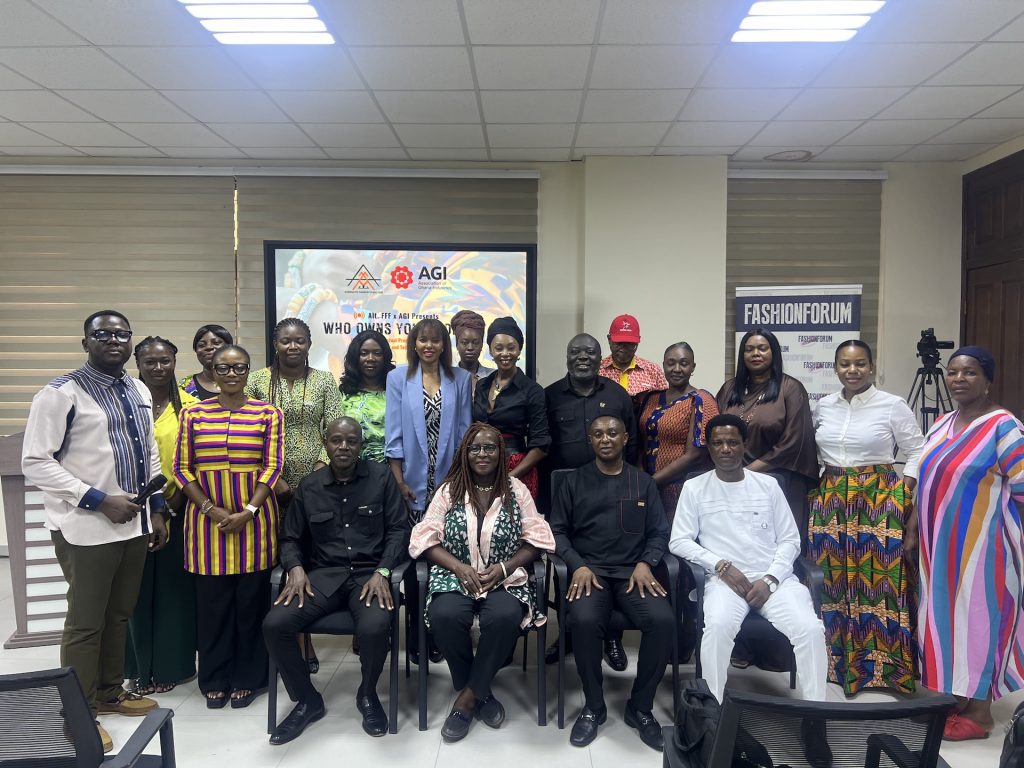
As a precursor to the Alternative Fashion Fabric Fair (Alt.FFF), the workshop was intentionally designed to equip stakeholders across the fashion and textile value chain with the knowledge and tools needed to participate more effectively in a rapidly evolving industry.
Taking place from 17–19 September 2026 at The Palms Convention Centre, La Palm Royal Beach Hotel, Accra, Alt.FFF will convene stakeholders across fibre, fabric, manufacturing, materials, and trade. The fair seeks to drive greater collaboration, visibility, and market access for African-made materials and products while contributing to the growth of a more connected and competitive fashion and textile industry across the continent.
The workshop attracted a broad cross-section of stakeholders from Ghana’s fashion, textile, creative, and industrial ecosystem, including government institutions, regulatory bodies, industry associations, legal experts, academia, manufacturers, designers, artisans, development organisations, media practitioners, and virtual participants from across Africa and the international community. Key institutions represented in person included the Ministry of Trade, Agribusiness and Industry (MoTAI), Association of Ghana Industries (AGI), UNESCO Ghana, the Copyright Office of Ghana, Fashion Forum Africa (FFA), Ghana Commission for UNESCO, National Folklore Board, the Registrar General’s Department, JACCD Design Institute Africa, Church of Pentecost (CoP) – Intellectual Property Committee, and the Ghana Culture Forum.
For more information on Alt.FFF or to register as an exhibitor or participant, visit https://www.altfff.com/